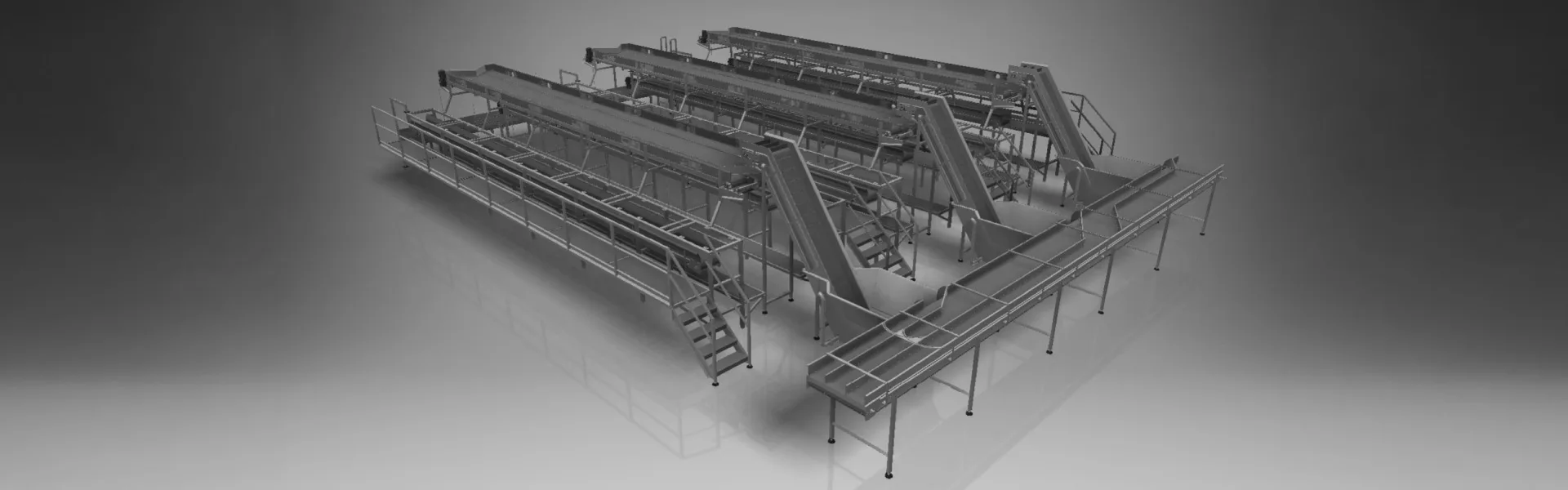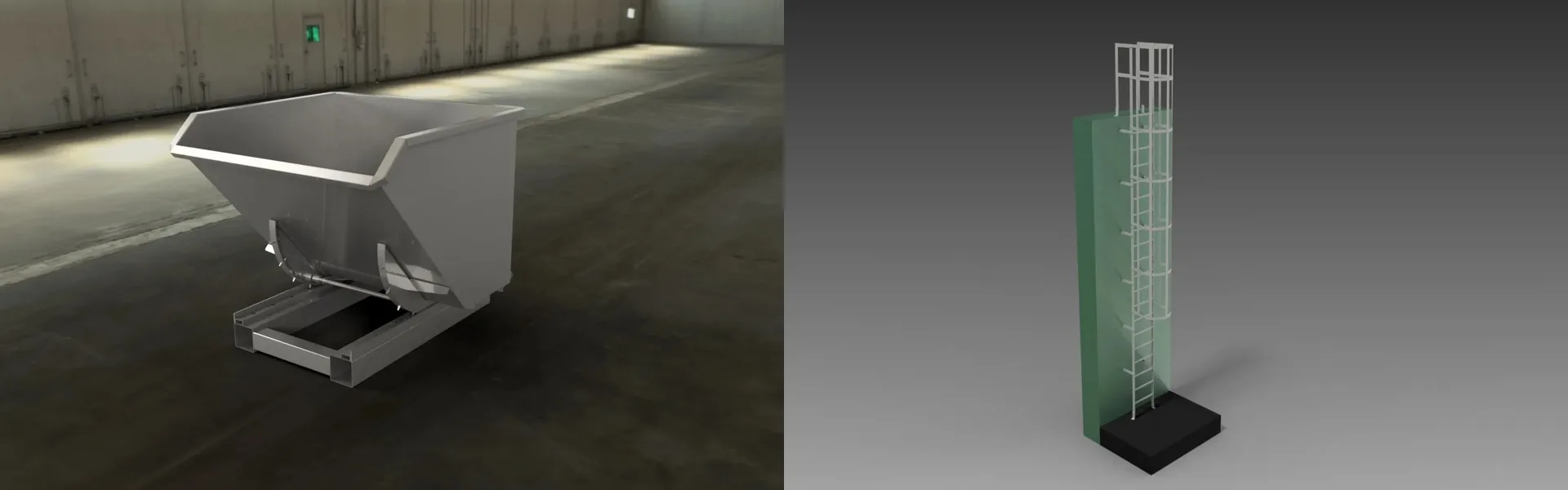
Modern manufacturing methods: Laser cutting, CNC machining, and laser welding for precision and quality
Manufacturing quality therefore goes beyond appearance. It depends on the design, the materials and the processes used at every stage.
Laser cutting, CNC machining and laser welding offer valuable capabilities in modern manufacturing. But where does each process fit, and what does it take to achieve reliable results?
From mechanical design to manufacturing: Why the right process matters
Every project starts with a practical requirement. A component must support a load, a conveyor must run consistently, or a tank must be easy to clean. Mechanical design translates these needs into dimensions, material specifications, and manufacturing requirements.
However, a drawing need to do more than describe the finished part. It must also account for how that part will be made. Can the cutting tool reach the required surfaces? Can the components be held securely during welding? Which dimensions need tighter tolerances?
These questions are addressed during engineering analysis and mechanical design. Considering them early helps reduce workshop modifications and avoids unnecessarily demanding specifications that increase costs without improving performance.
The aim is straightforward: choose a manufacturing process that meets the component’s actual operating requirements.
Read also: Welding & fabrication: Complete solutions for metal structures
Read also: Welding & fabrication: Complete solutions for metal structures
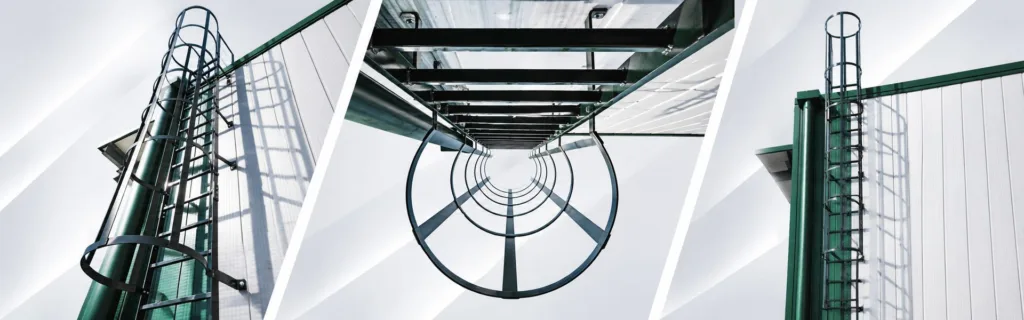
Laser cutting uses a focused laser beam to heat the material locally, while an assist gas helps remove it from the cut. The cutting path follows a digital design, allowing manufacturers to produce profiles, holes, and slots.
This makes the process particularly useful for sheet metal parts such as brackets, covers, and other metal components. Its main advantages include:
- Design flexibility, allowing complex profiles and intricate details.
- A narrow kerf, or cut width, which supports the production of fine features.
- Straightforward design changes, made through the digital file without dedicated cutting dies for each profile.
- Efficient nesting, arranging parts on the sheet to reduce material waste.
Results depend on the material, thickness, laser power, focus and cutting parameters. A cut edge is therefore not automatically ready for its final application. Depending on the requirements, deburring, cleaning or further machining may still be necessary.
Understanding these factors helps ensure that laser cutting supports the next manufacturing stage rather than creating additional work.
CNC machining: Dimensional accuracy and repeatability in production
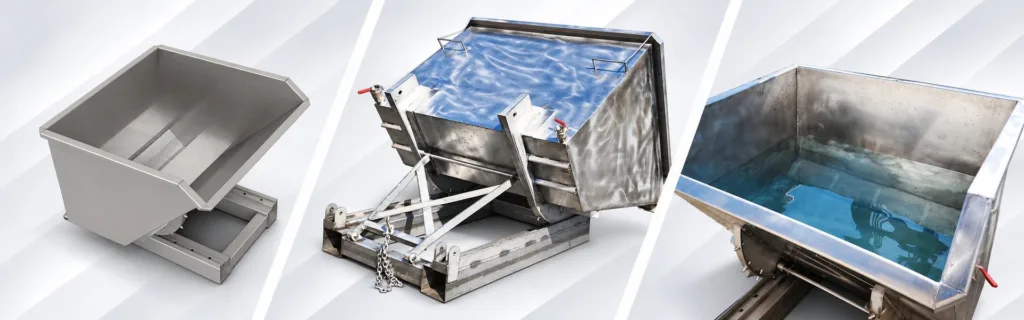
CNC stands for Computer Numerical Control. It describes how a machine’s movements and operations are controlled by a computer program. In manufacturing, CNC machining commonly refers to processes such as milling, turning and drilling. One distinction is useful here: laser cutting machines can also use CNC control.
During milling, rotating cutting tools remove material to create surfaces, slots and pockets. In turning, the workpiece typically rotates while a cutting tool shapes it, making the process suitable for shafts, bushes and other rotational components.
The key benefit is the ability to produce parts with controlled dimensions and consistent results. This matters when a shaft must fit correctly in a bearing or two mating components must align accurately.
Nevertheless, a program alone does not guarantee quality. Workholding, tool condition, cutting parameters, and inspection all influence the finished part. Reliable CNC machining combines controlled machine movements with appropriate setup and dimensional checks.
You may be interested in: Custom Engineering: Tailored engineering solutions
Laser welding: Precision joining for demanding metal fabrications
Laser welding uses concentrated laser energy to melt and join metal parts locally. Depending on the process and joint requirements, filler material may also be used.
What makes it useful? In suitable applications, concentrated energy delivery can limit heat input and reduce distortion compared with conventional arc welding processes. This is particularly valuable when thin metal sections need to retain their shape. It can also reduce the amount of grinding and finishing required afterwards.
These benefits depend on preparation. Joint fit-up, surface cleanliness, fixturing and welding parameters must all be controlled. Gaps or misalignment between parts can affect the outcome, even when their individual dimensions appear acceptable.
Just as importantly, a uniform weld bead does not, by itself, demonstrate joint strength or leak-tightness. Inspection and testing must reflect the finished product’s intended use. The right welding process is the one that meets those requirements consistently.
How to select and combine the right manufacturing processes
Which technology is best? That depends on the project. In many cases, the most effective solution combines several processes, each contributing where it offers the greatest value.
A fabricated frame, for example, might include laser-cut sheet metal parts, CNC-machined mounting components, and welded joints. Selecting the process for each part involves several considerations:
- Material and thickness: These determine which processes are technically suitable.
- Geometry and access: Tool access, joint accessibility, and part shape influence manufacturing options.
- Tolerances and function: Permissible dimensional variations must support correct fit and operation.
- Production quantity: A one-off prototype and a repeat production order have different setup requirements.
- Total cost: Material, setup, processing, assembly, and inspection must all be considered.
The sequence matters too. A critical mounting surface may need machining after welding to correct distortion and achieve the required alignment.
Decisions like these connect individual operations into a practical manufacturing plan. They also help prevent savings at one stage from creating greater costs later.
Read also: Food production lines: Design & Optimization
Manufacturing quality in practice: From metal components to food processing equipment
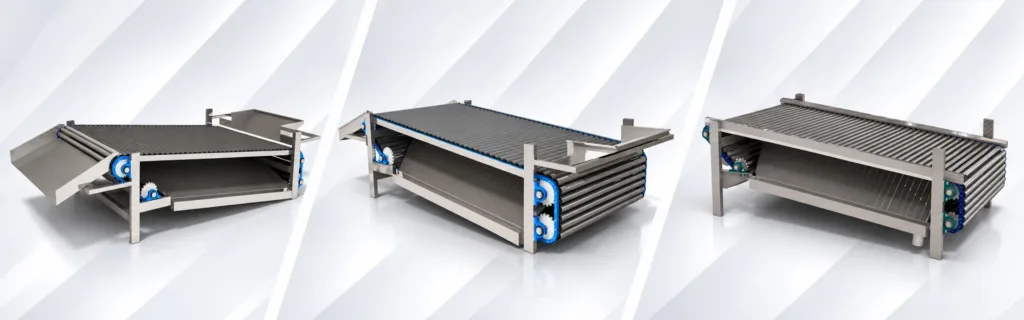
How do you confirm that a manufactured assembly meets its design requirements? Through checks matched to its function. Dimensional inspection, weld inspection, alignment checks, and functional testing each assess a different aspect of quality.
For food processing equipment, cleaning and hygiene introduce additional requirements. In a stainless-steel tank or fruit roller conveyor, material suitability, surface condition, and the avoidance of residue trap all matter. Specifying stainless steel alone is not enough.
Similarly, the accuracy of a belt conveyor’s mounting points and supports affects alignment and smooth operation. Components must work together as an assembly, under the conditions expected on the production line.
At Arrowhead Engineers, our approach combines precise mechanical design and CNC machining with checks on dimensions, welds, and operational stability. Quality develops throughout the manufacturing process, from material selection to final assembly and testing.
Learn more: Food processing machinery: How to choose the right equipment and what to consider
Arrowhead Engineers: From engineering study to a complete manufacturing solution
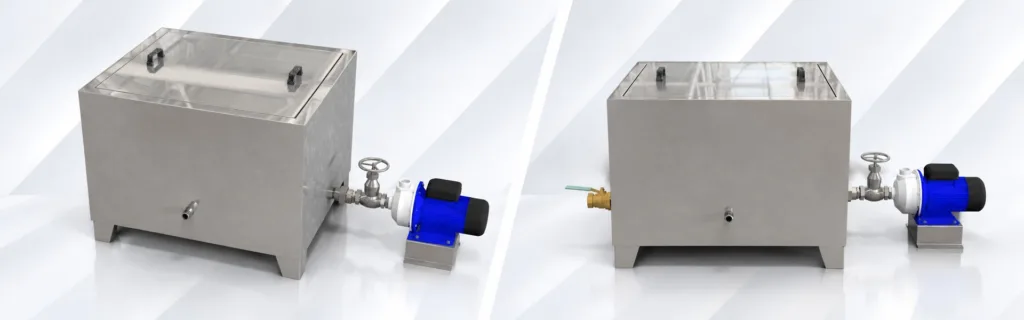
At Arrowhead Engineers, we begin by understanding the conditions in which each solution will operate. What loads will it carry? How will it be cleaned? Which components need access for inspection or replacement?
Through research and development, engineering analysis, and manufacturing drawings, we establish the specifications that guide implementation. Where required, this is supported by technical documentation and assistance with certification.
Whether the project involves a single component or a complete machine, the goal is a practical solution that can be manufactured accurately, assembled correctly, and used reliably.
Have a specific manufacturing requirement? Get in touch with our team to discuss your project and explore the most suitable approach.
MORE ARTICLES
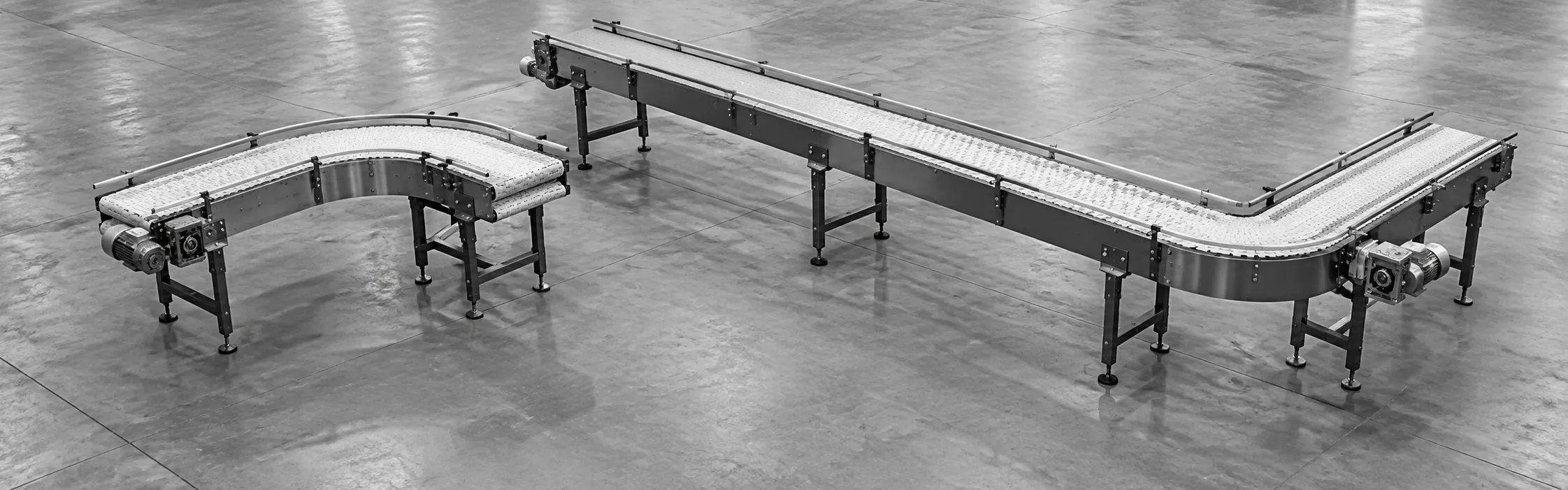
Types of conveyor systems: How to choose the right one for your production line
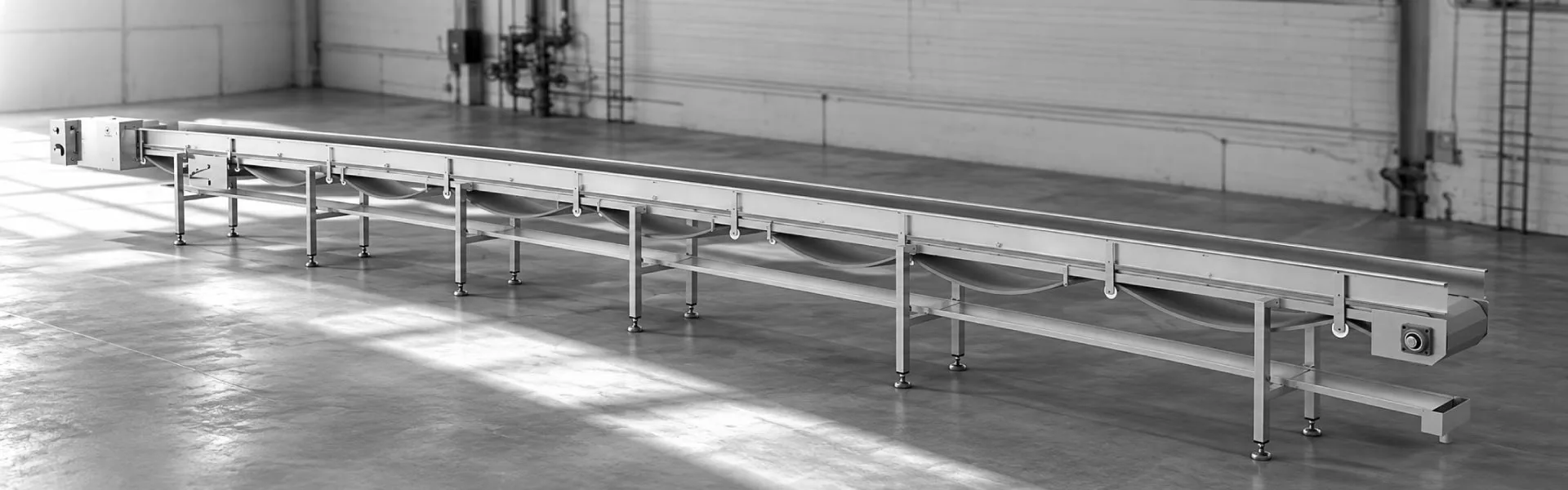
Custom Engineering: Tailored engineering solutions