Custom Engineering: Tailored engineering solutions
In industry, there is not always an off-the-shelf machine that can simply be installed in a facility and meet every requirement.
Available space may be limited. The production process may have specific characteristics. A new machine may need to integrate with existing equipment or handle a product with particular dimensions, weight, or conveying requirements.
So, what happens in these cases?
This is where custom engineering becomes essential. Instead of adapting the production process to the limitations of a standardized solution, an engineering solution is designed around the actual requirements of the application.
From a single component to a complete machine or part of a production line, the principle remains the same: first, we identify what needs to be achieved. Then, the appropriate engineering solution is developed to make it possible.
What is custom engineering and when is it needed?
Custom engineering is the process of studying, designing, and manufacturing machinery, components, or engineering systems according to specific requirements.
It does not begin with a catalogue of ready-made machines. It begins with a need.
For example, a production facility may need to increase its capacity, automate a manual stage, or reduce delays when transferring a product from one machine to the next. In another case, the existing equipment may be operating effectively but require an additional structure or mechanism to connect it with the next stage of the production process.
Custom engineering is particularly useful when:
- there is no standard machine available that meets the required specifications,
- the facility has specific space or layout limitations,
- integration with existing machinery is required,
- a particular production capacity or level of precision must be achieved,
- a production stage needs to be automated,
- existing equipment needs to be modified or redesigned.
The objective, therefore, is not simply to manufacture “something different.” It is to develop a solution that works effectively within a specific production process.
Read also: Welding & fabrication: Complete solutions for metal structures
From need to final build
Every custom engineering project starts with a specific need. It may involve automating a production stage, developing a new machine, adapting existing equipment, or solving a problem that affects production.
From there, the process follows a clear path:
requirements definition → study → design → manufacturing → testing → installation
The first step is to define the application requirements and the conditions under which the equipment will operate. This is followed by the engineering study and mechanical design, where the initial requirement is transformed into a functional solution that can be manufactured.
The project then moves into manufacturing and assembly. Before final installation, the necessary tests are carried out to verify the operation, accuracy, and interaction of the different mechanisms.
The process is completed with installation and testing under actual operating conditions. In other words, custom engineering does not stop at designing a machine. It covers the entire journey until the solution is integrated into the production environment and ready for practical use.
What does the design of a custom machine involve?
Two machines may perform exactly the same basic function and still require completely different designs. Why? Because every production environment has its own requirements.
One of the first factors to consider is the available space. Facility dimensions, height restrictions, access points, and the position of existing equipment can affect everything from the overall geometry of the machine to the location of a motor or drive mechanism.
Production capacity is equally important. A new machine must be able to follow the operating rate of the production line it joins. A system that runs more slowly than the stages before or after it can create delays and turn an existing problem into a new bottleneck.
At the same time, the design must take into account factors such as:
- loads and mechanical stresses,
- the characteristics of the product being handled,
- selection of suitable materials,
- required tolerances and operating accuracy,
- operator safety and ergonomics,
- access for cleaning, inspection, and maintenance,
- integration with existing machinery and automation systems,
- possible future expansion or increased production requirements.
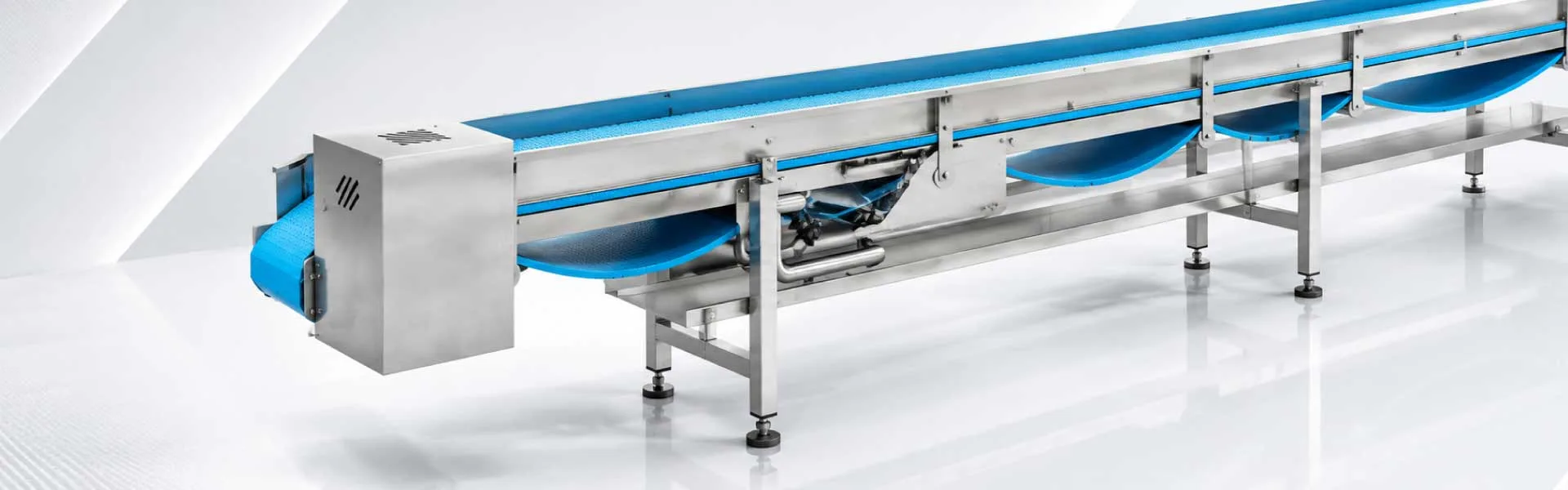
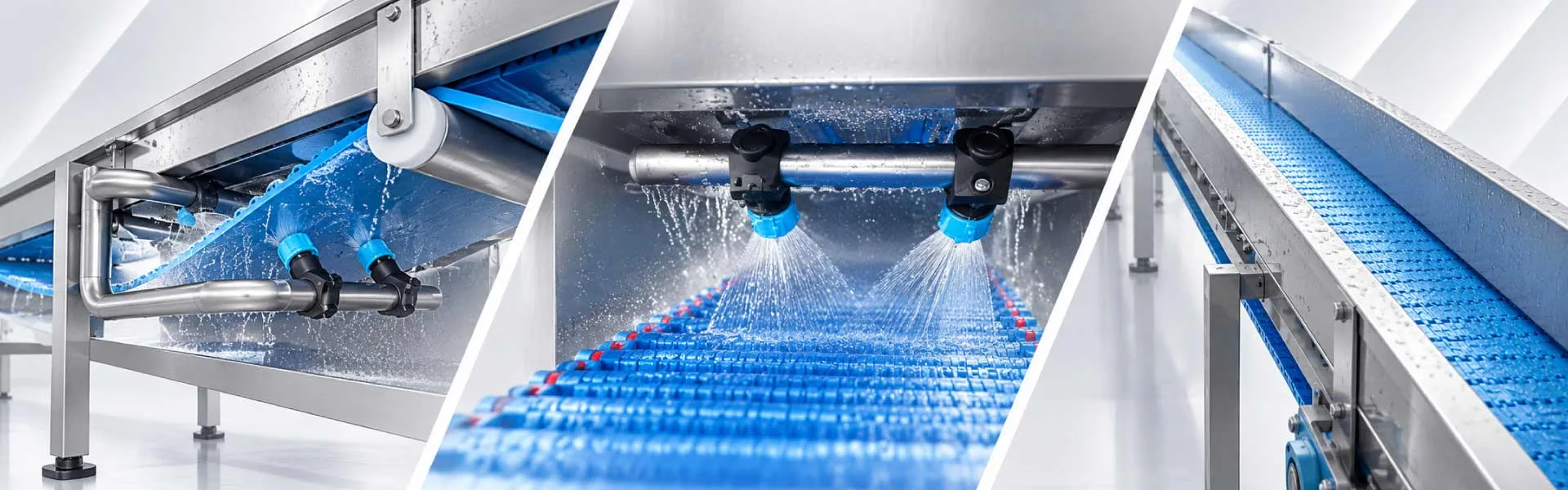
Naturally, priorities change depending on the application. In a food processing line, for example, hygiene, easy access for cleaning, and suitable material selection carry particular importance. In a heavy-duty industrial application, greater emphasis may be placed on load resistance, structural strength, and reliable continuous operation.
This is why custom design is not only about what a machine needs to do. It is also about where, how, and under which conditions it needs to do it.
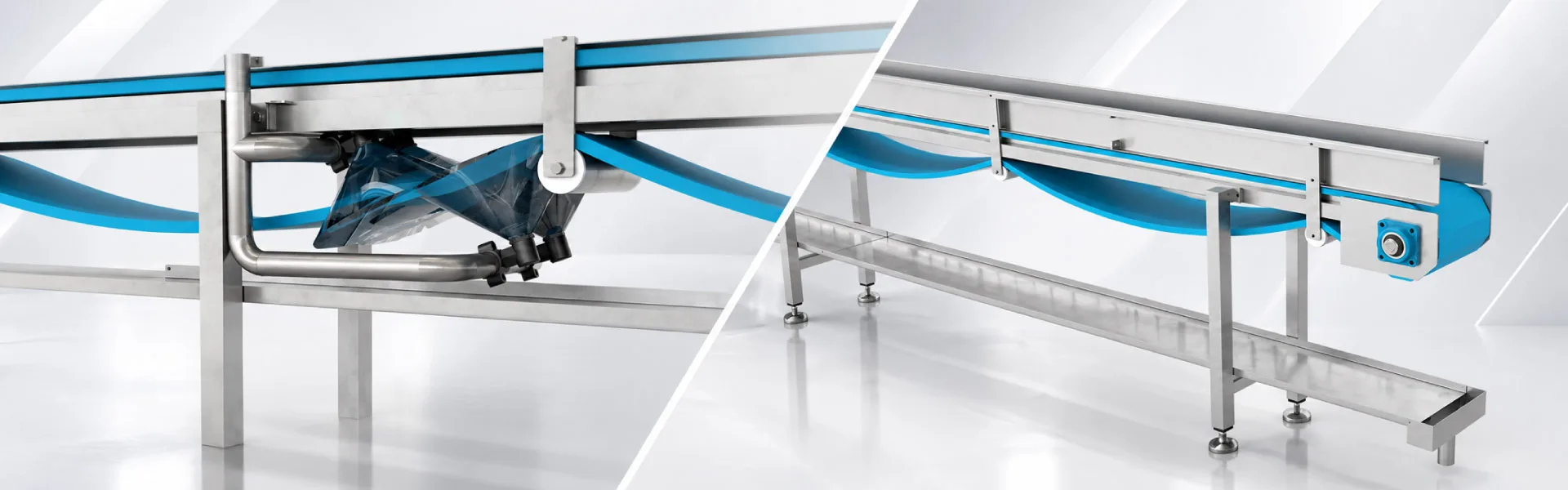
You may be interested in: Wood processing machinery: What a modern production facility needs
Where can custom engineering be applied?
The applications of custom engineering are particularly broad because, in practice, it can support almost any stage of a production process that requires a specialized engineering approach.
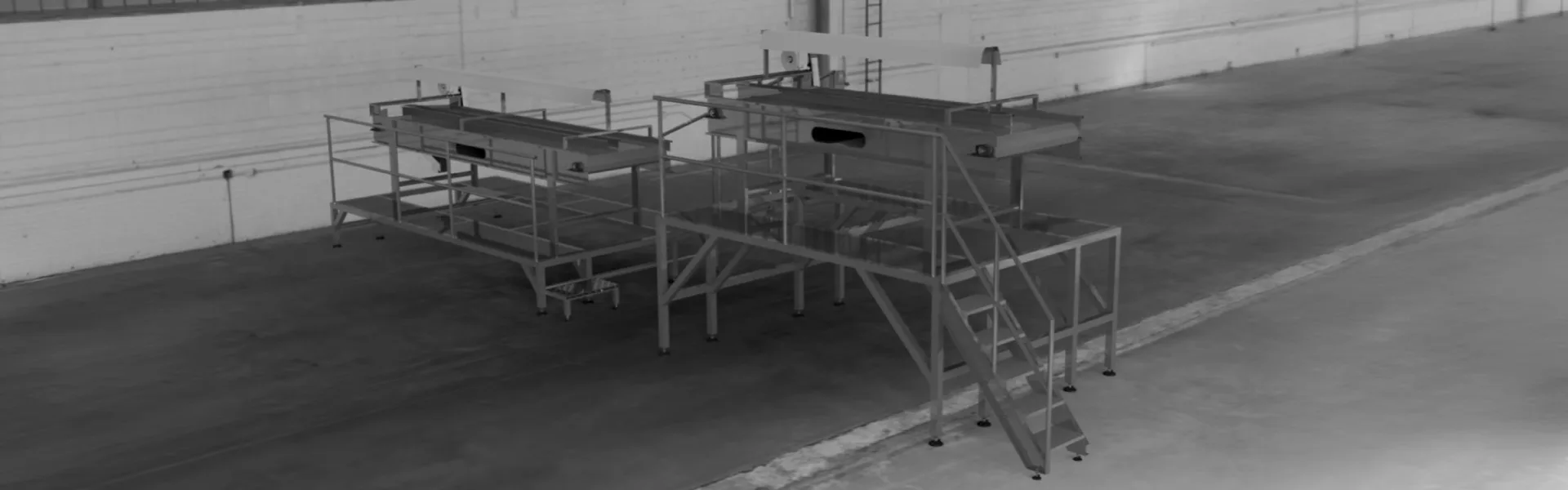
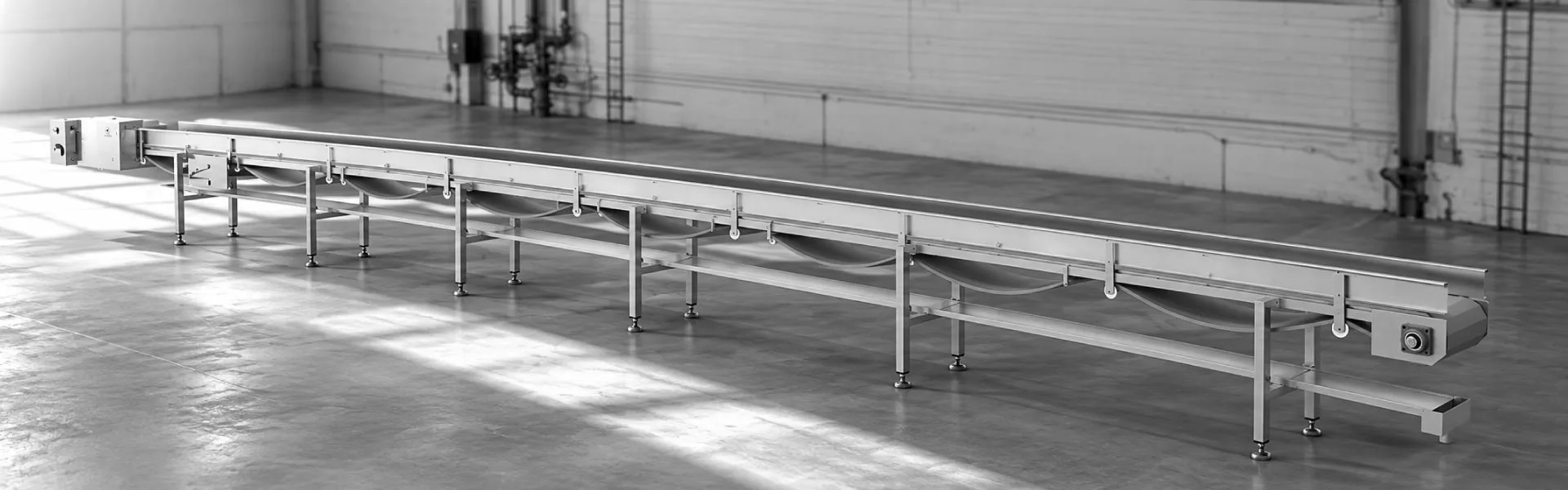
In the food industry, for example, it may involve conveying and product handling systems, washing equipment, fruit processing lines, filling systems, or custom stainless-steel platforms that provide access to machinery. Arrowhead Engineers has developed applications ranging from roller conveyors and filling machines to custom stainless-steel structures designed around the requirements of specific facilities.
In the wood processing industry, custom engineering can be applied to cutting machinery, conveying systems, roller conveyors, and stacking systems that need to integrate into a particular production line. The ability to adapt equipment to the facility layout and production requirements is especially important in continuous-operation environments.
Similarly, custom solutions can be developed for the recycling industry, metal structures, parking systems, and other industrial facilities where a standardized solution cannot fully meet the actual operating conditions.
The common factor is not the industry itself. It is the need for a system or structure designed around a specific function.
What are the benefits of a tailored engineering solution?
The greatest value of custom engineering lies in adaptation.
Instead of changing a production process to make it “fit” a machine, the machine is designed to integrate as smoothly as possible into the existing workflow.
This can lead to better use of available space, shorter product transfer times, fewer manual handling operations, and a more consistent production flow.
At the same time, proper engineering design can help reduce bottlenecks, make maintenance access easier, and provide greater flexibility as production requirements change.
There is also another important advantage that often becomes clear over time.
A custom solution can be designed not only around current requirements but also with possible future expansion in mind. As a result, adding another production stage, increasing capacity, or introducing new automation may become easier without necessarily requiring the entire installation to be redesigned.
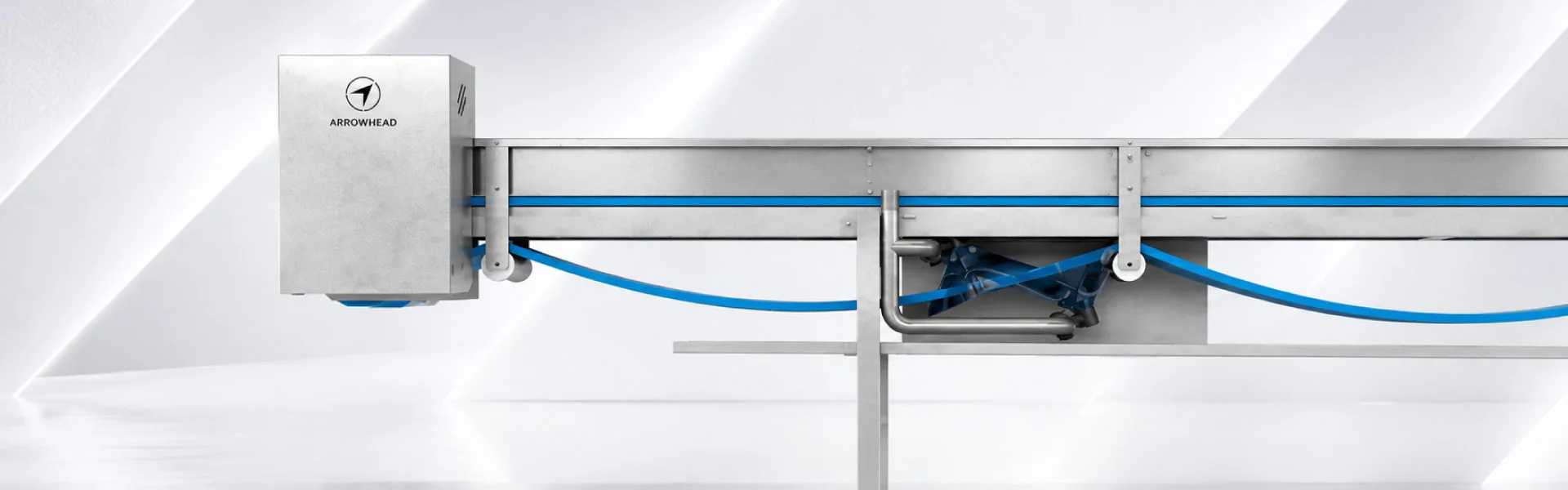
Read also: Food production lines: Design & Optimization
From idea to manufacturing with Arrowhead Engineers
Every custom project starts differently. There may already be a detailed technical brief. In other cases, there may simply be a production problem that needs to be solved.
Arrowhead Engineers undertakes projects covering the full process from research and engineering studies to mechanical design, manufacturing, certification, and ongoing technical support. Its portfolio includes industrial machinery, conveying systems, food and wood processing equipment, metal structures, tanks, and specialized applications developed according to the requirements of each facility.
The approach remains consistent: first, the actual need is examined. Then, the appropriate engineering solution is developed.
In custom engineering, there is no single solution that fits every application. There is a solution designed to operate effectively exactly where you need it.
MORE ARTICLES
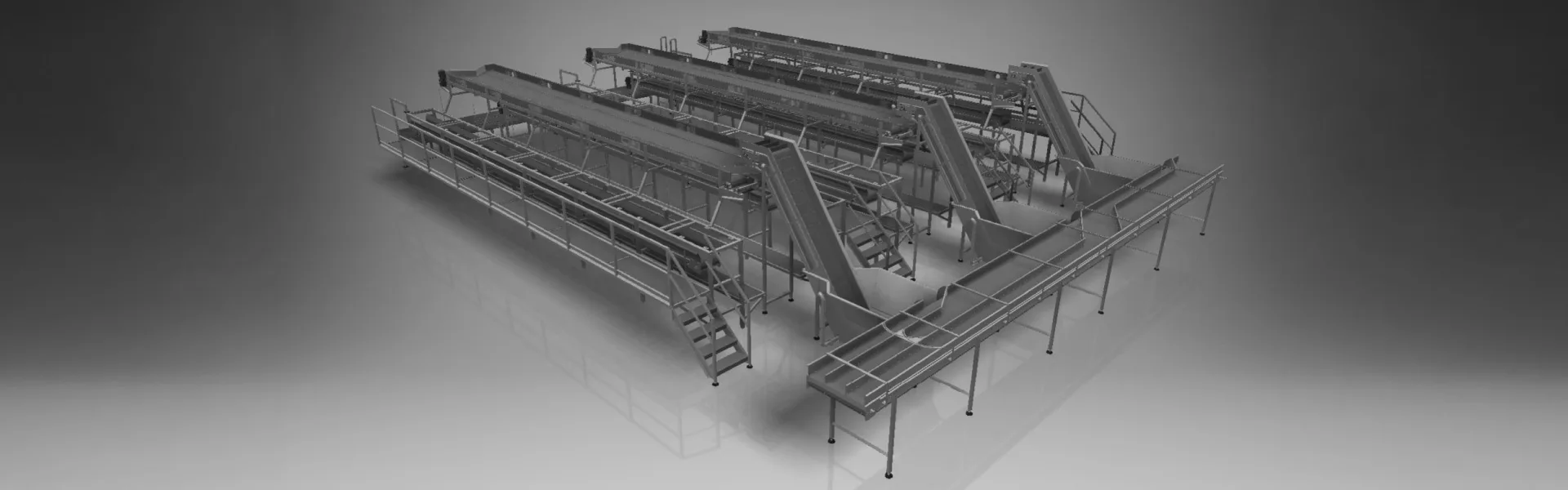
Food production lines: Design & Optimization
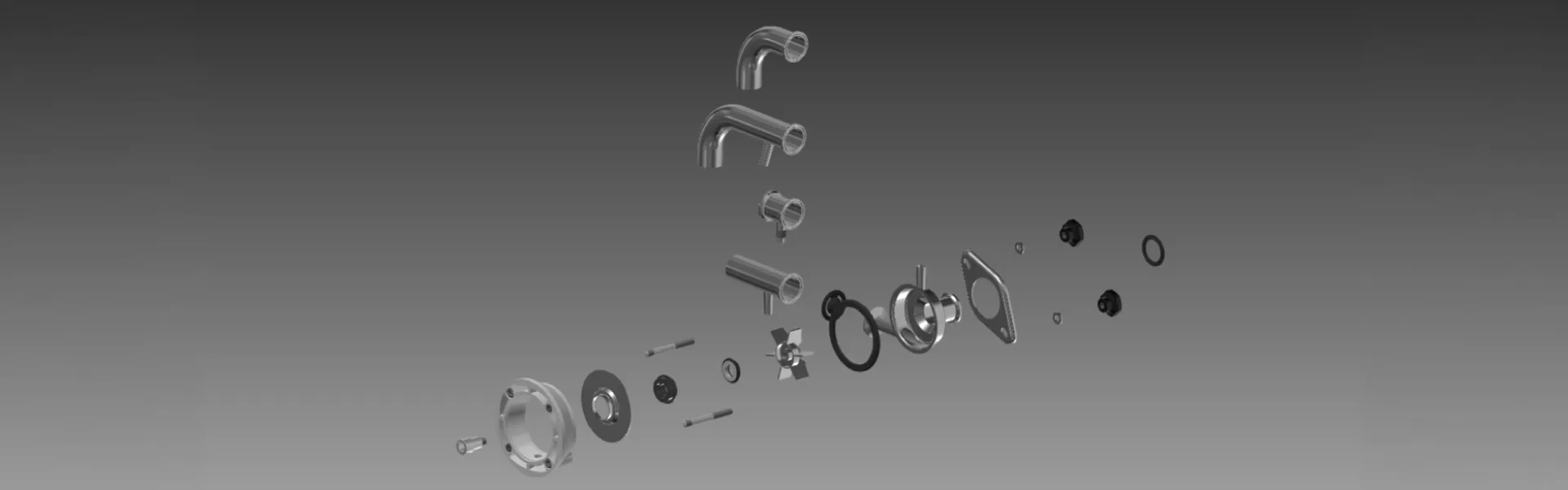
Welding & fabrication: Complete solutions for metal structures