Welding & fabrication: Complete solutions for metal structures
Welding: The process of joining metals
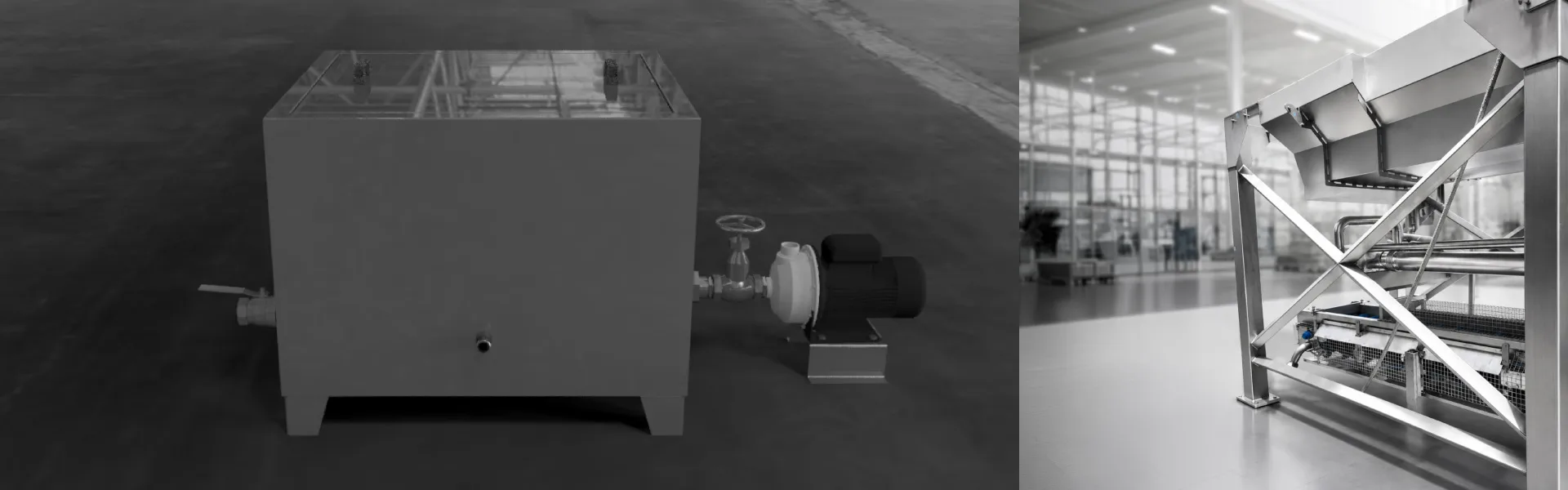
Welding is the process of permanently joining two or more metal parts. In industrial applications, it is not simply a method of assembly. It is a critical stage of manufacturing, as it directly affects the mechanical strength, stability, and service life of the finished product.
The appropriate welding technique is selected according to the type and thickness of the metal, the geometry of the structure, and its operating conditions. A small cable support, for example, has very different requirements from a machinery frame exposed to continuous loads or vibration.
For this reason, when looking for professional welding services, examining the appearance of a weld is not enough. You also need to know that it has been performed accurately, by qualified technicians, and according to the technical requirements of the project.
Read also: Food processing machinery: How to choose the right equipment and what to consider
Fabrication: From raw material to the finished structure

Fabrication is a much broader process. It includes all the operations required to transform sheet metal, wire, tubing, or another metal element into a functional product.
Depending on the project, the process may include cutting, bending, drilling, forming, welding, assembly, and surface treatment. Dip coating or another type of protective coating may also be applied, helping the component acquire the durability and properties required for its intended use.
Arrowhead Engineers undertakes the engineering study, design, manufacture, and dip coating of metal objects made from sheet metal or wire. Depending on the application, components can be coated in polyethylene or nylon to provide additional protection and functionality.
Simply put, welding is one part of fabrication. The finished result, however, depends on how effectively all stages work together. Even a perfectly executed weld cannot compensate for an incorrect design or an unsuitable material.
What stages are involved in metal component manufacturing?
Metal component manufacturing requires a structured process. There is no single solution that works for every application, especially when custom equipment is involved or when a component must be integrated into an existing industrial installation.
Learn more: R&D in Industry: What It Is and Why It Is Critical
Requirements analysis and engineering study
The first step is to define exactly what the structure needs to do. Where will it be used? What loads will it carry? Will it be exposed to moisture, high temperatures, constant friction, or outdoor conditions?
During the engineering study, the available dimensions, mounting points, required production volume, and safety specifications are also evaluated. The more accurately these parameters are defined from the beginning, the lower the risk of modifications and delays during manufacturing.
3D design and construction drawings
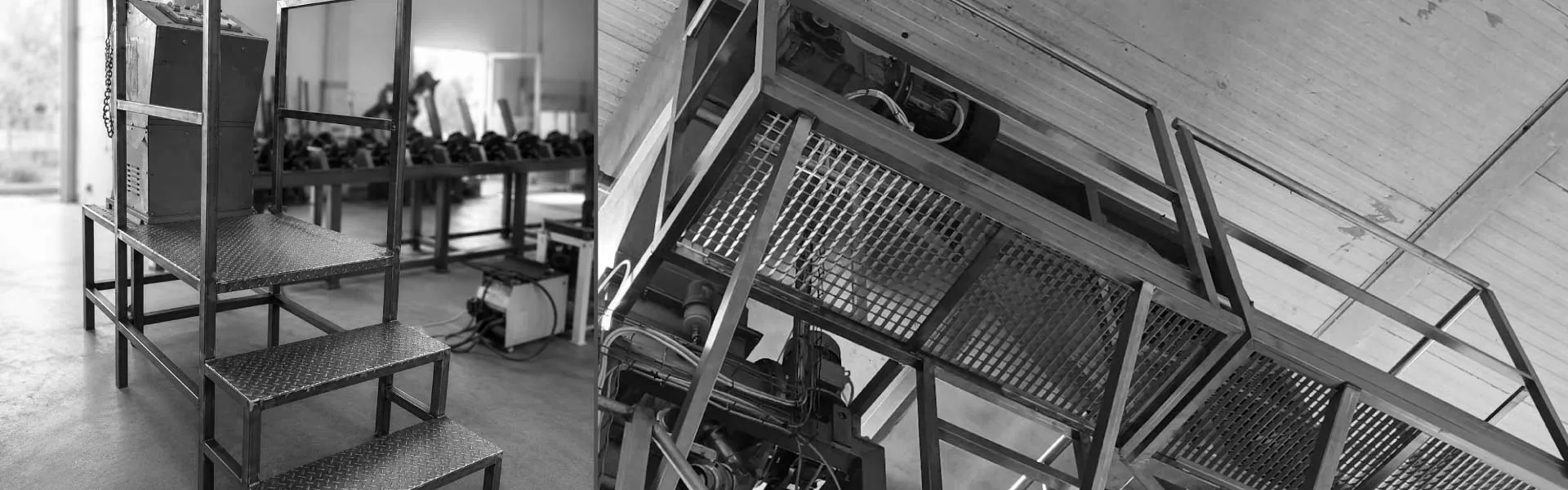
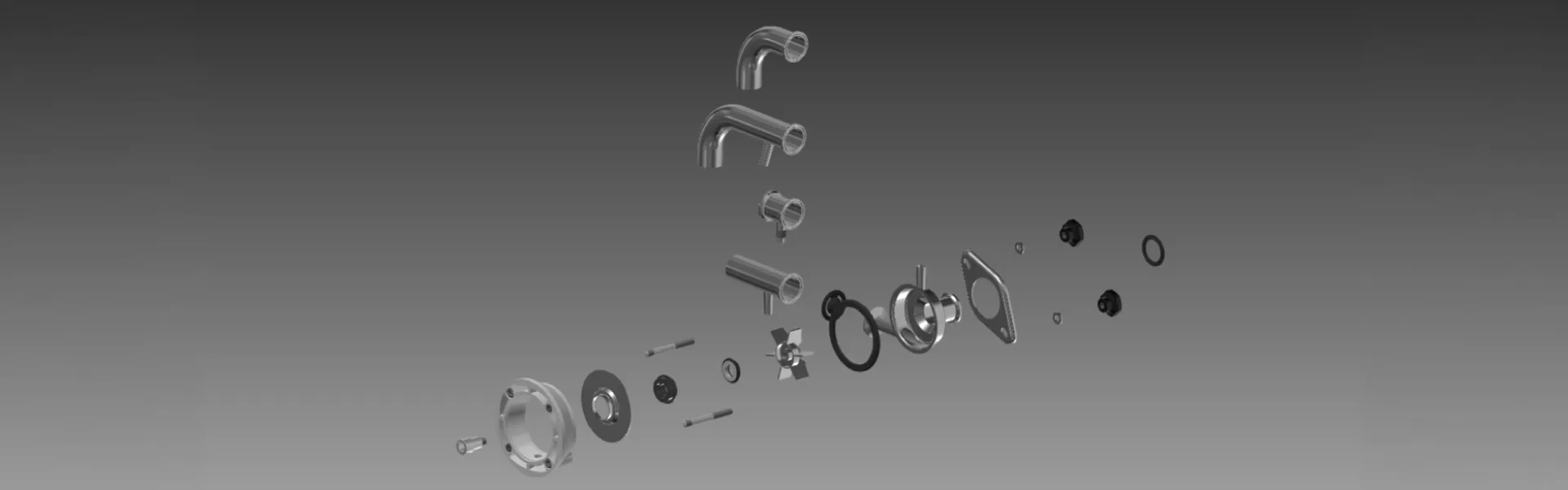
The initial idea must then be transformed into a clear, practical design. 3D mechanical design allows the geometry, dimensions, and interaction between the component and the surrounding equipment to be reviewed before production begins.
Construction drawings provide technicians with the information required for every cut, hole, bend, and connection. This limits dimensional deviations and ensures greater repeatability, particularly when the same component needs to be manufactured in larger quantities.
Material selection and fabrication preparation

Not every metal is suitable for every application. Material selection should take mechanical strength, weight, corrosion resistance, cleaning requirements, and the operating environment into account.
Once the material has been selected, the individual parts must be prepared. Accuracy is essential at this stage. An incorrect cut or bend can create assembly problems, introduce unwanted stress into the material, and cause the finished component to deviate from its specified dimensions.
Welding, assembly, and finishing
Once the individual parts have been formed, welding and assembly can begin. Each section must be positioned correctly, remain properly aligned, and be joined without causing unwanted distortion.
Finishing is not purely aesthetic. Grinding, cleaning, and the appropriate surface treatment improve durability and contribute to safer use. Components made from sheet metal or wire may also be dip-coated in polyethylene or nylon, with UV stabilizers where required by the application.
Quality control and final installation

Before delivery, the structure must be checked for dimensional accuracy, joint quality, stability, and functionality. Does it fit correctly in the location for which it was designed? Does it work smoothly with the existing equipment? Can it be operated, cleaned, and maintained safely?
When installation is included in the project, correct positioning is a natural continuation of the fabrication process. Even a well-manufactured system can develop problems when it has not been properly aligned, secured, or integrated into its operating environment.
You may also be interested in: Industrial machinery maintenance: How to prevent equipment failures
What determines the quality of a metal structure?
Quality does not depend on a single factor. It results from the combination of a well-prepared engineering study, suitable materials, accurate manufacturing, and controlled welding processes.
The experience of the team carrying out the project is equally important. Technicians must be able to interpret construction drawings correctly, understand the properties of each material, and adapt the manufacturing process to the actual requirements of the application. At the same time, quality checks throughout production help identify deviations before they develop into functional problems.
There is one more point worth considering. The best metal structure is not necessarily the heaviest or most complex one. It is the structure that performs its intended function safely, uses materials efficiently, and withstands the daily operating conditions for which it was designed.
Where are welding & fabrication services used

Welding and fabrication services cover a wide range of professional and industrial requirements. From a simple component to a more complex section of industrial equipment, each structure can be designed according to its intended function, the available space, and the conditions in which it will operate.
Common applications include:
- machinery bases and frames,
- protective guards and mounting systems,
- supports for cables, pipes, and tools,
- hooks and organization components,
- sheet metal and wire structures,
- custom metal components for industrial equipment,
- sections integrated into existing production lines,
- solutions for mounting, securing, or safely positioning equipment.
Arrowhead Engineers develops applications such as bicycle racks and supports for hoses, pipes, tools, ladders, garage equipment, network cables, and wiring systems. These components provide practical mounting and organization solutions for professional premises and industrial facilities.
In many cases, even a small custom component can solve a practical problem that an off-the-shelf product cannot address. The goal is not simply to manufacture something from metal. It is to design it correctly for the way it will actually be used.
Read also: Wood processing machinery: What a modern production facility needs
From engineering study to manufacturing with Arrowhead Engineers
At Arrowhead Engineers, each project is approached as a complete technical process. The team undertakes the engineering study, design, and manufacture of metal objects and components made from sheet metal or wire, adapting every solution to the actual requirements of the application.
With more than 20 years of experience in mechanical engineering, machinery manufacturing, and industrial design, Arrowhead Engineers provides machinery, metal structures, and custom-engineered solutions for sectors including:
- the food processing industry,
- the wood processing industry,
- the recycling and waste management industry,
- parking systems.
The company supports projects from research and development through manufacturing, certification, and maintenance, combining engineering expertise with practical industrial experience.
From a custom metal component to a complete industrial machine, the objective remains the same: to deliver a functional, durable solution designed for the actual conditions in which it will operate.
Do you need a custom metal solution that is not available off the shelf? Contact Arrowhead Engineers to discuss your project’s technical requirements.
MORE ARTICLES
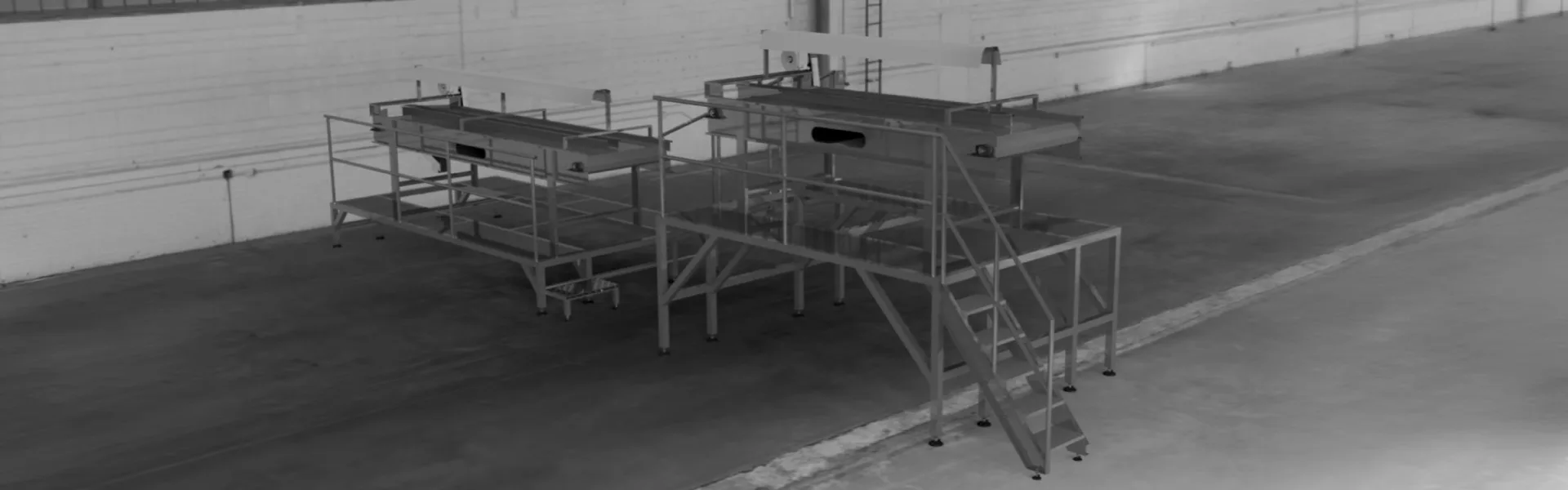
R&D in Industry: What It Is and Why It Is Critical
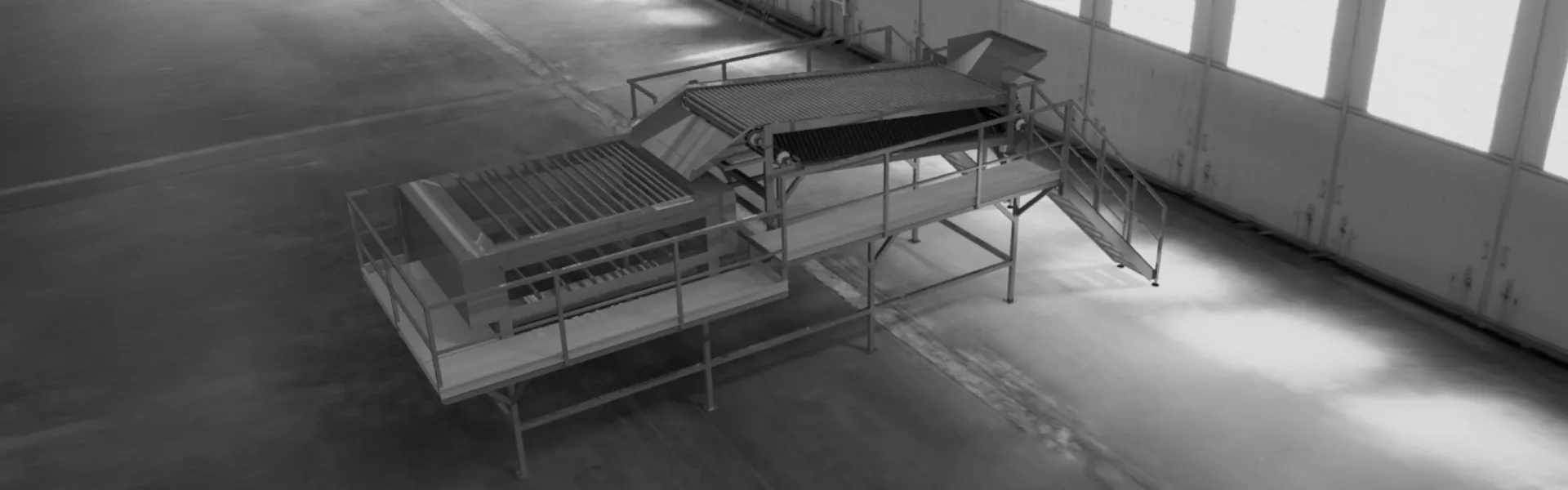
Food processing machinery: How to choose the right equipment and what to consider
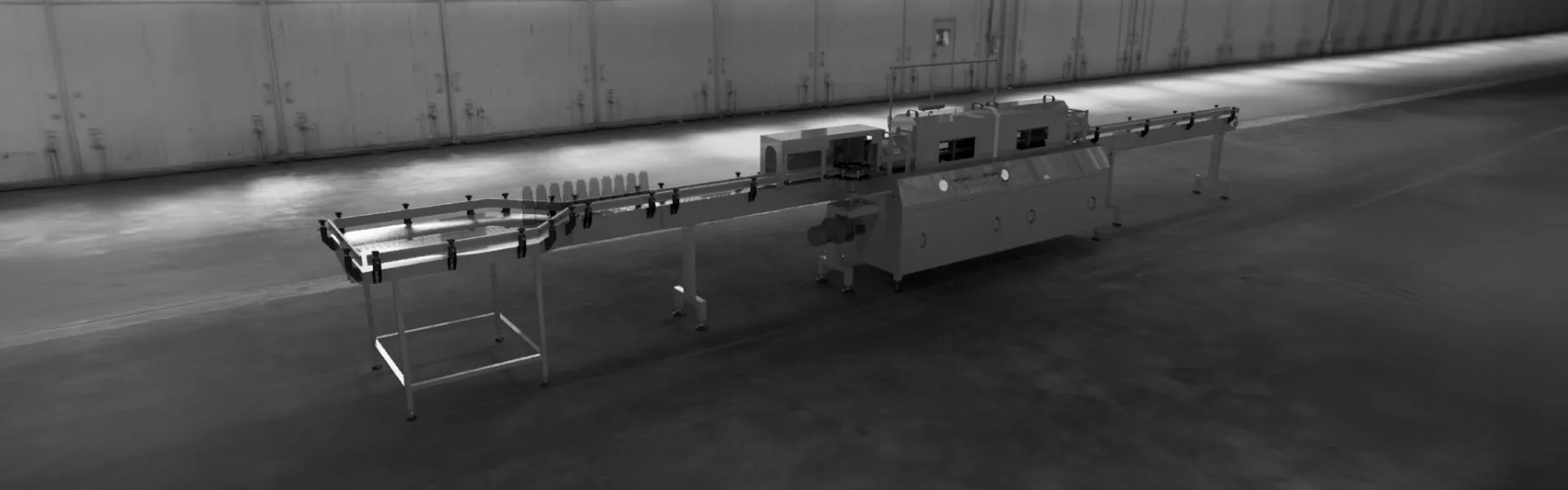
Industrial machinery maintenance: How to prevent equipment failures