Industrial machinery maintenance: How to prevent equipment failures
Why is proper industrial machinery maintenance essential?
The more complex a piece of equipment is, the greater the need for continuous monitoring and maintenance.
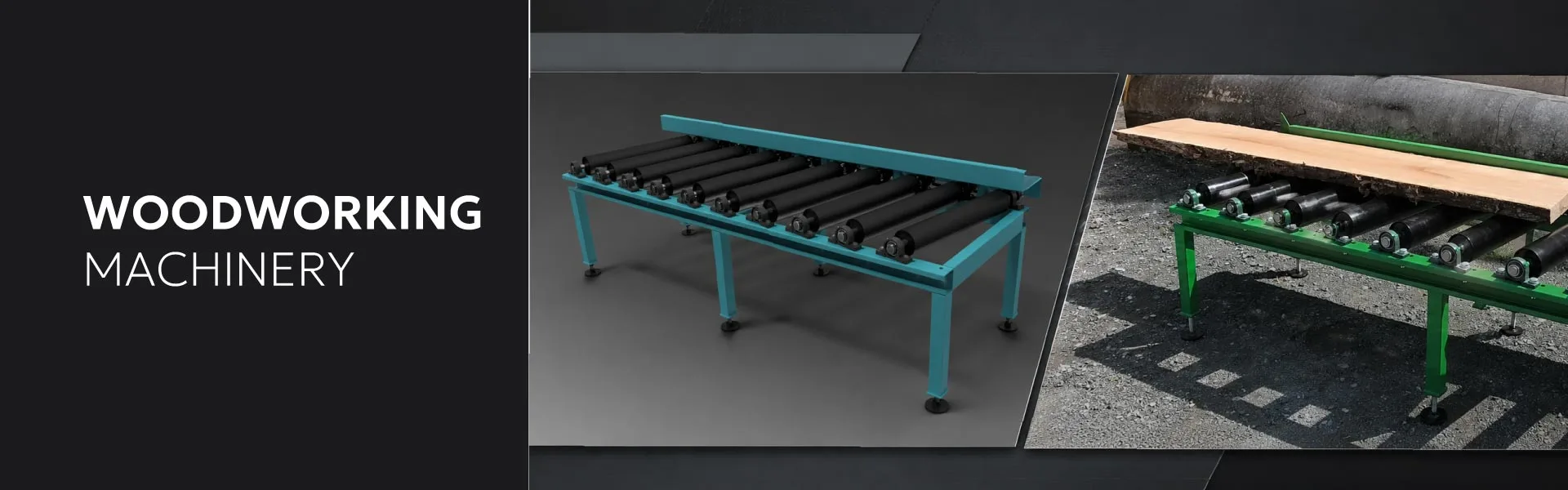
Consider, for example, a wood processing facility. A malfunction in a pallet stacker, a double-end trimming saw, or a conveyor system can affect the entire production line. And when production stops, costs can escalate rapidly.
Proper maintenance helps:
- Reduce unplanned downtime
- Extend equipment service life
- Improve worker safety
- Maintain consistent production performance
Most importantly, it creates predictability. And in industrial operations, predictability is a significant competitive advantage.
Reactive vs. Preventive maintenance: What is the difference?
Many companies still operate under a reactive maintenance approach, meaning they intervene only after a failure occurs.
The problem is that by that point; the cost has already been incurred.
Preventive maintenance follows a different philosophy. Instead of waiting for equipment failure, scheduled inspections, evaluations, and maintenance activities are performed before problems arise.
Simply put:
Reactive maintenance means “repair it when it breaks.”
Preventive maintenance means “prevent it from breaking in the first place.”
What does a comprehensive industrial maintenance program include?
Industrial maintenance is not a single task. It is a combination of systematic processes applied consistently over time.
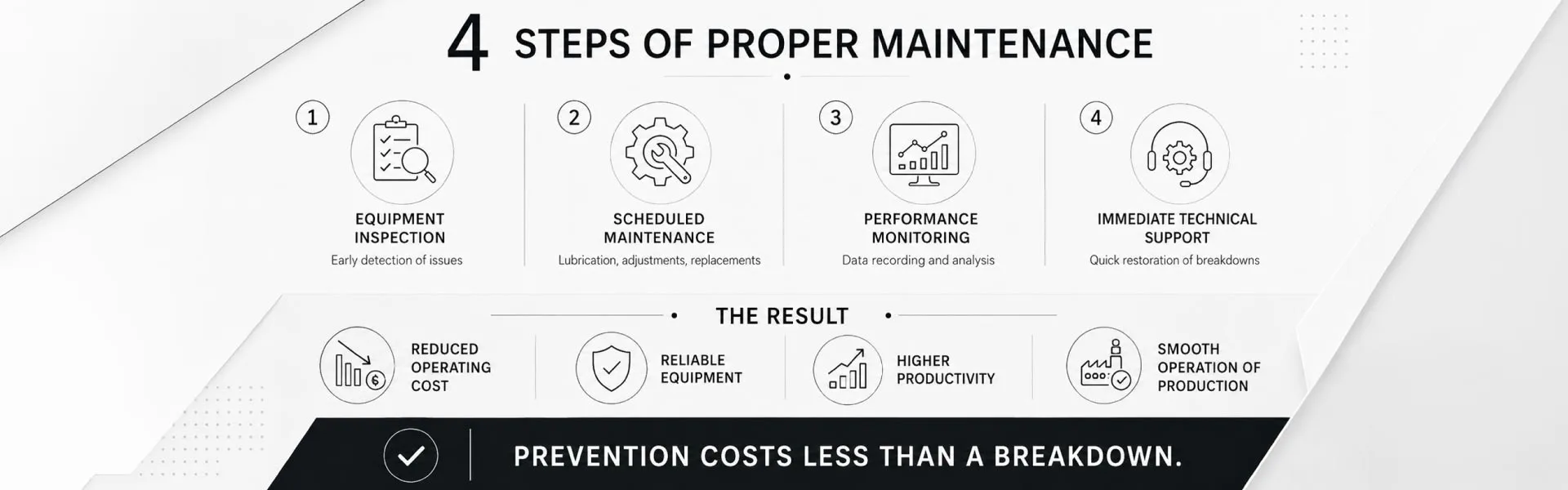
Equipment inspection and condition assessment
The first step is always gaining a clear understanding of the equipment’s condition.
Inspections of moving parts, wear points, mechanical connections, electrical components, and critical assemblies help identify potential issues before they develop into major failures.
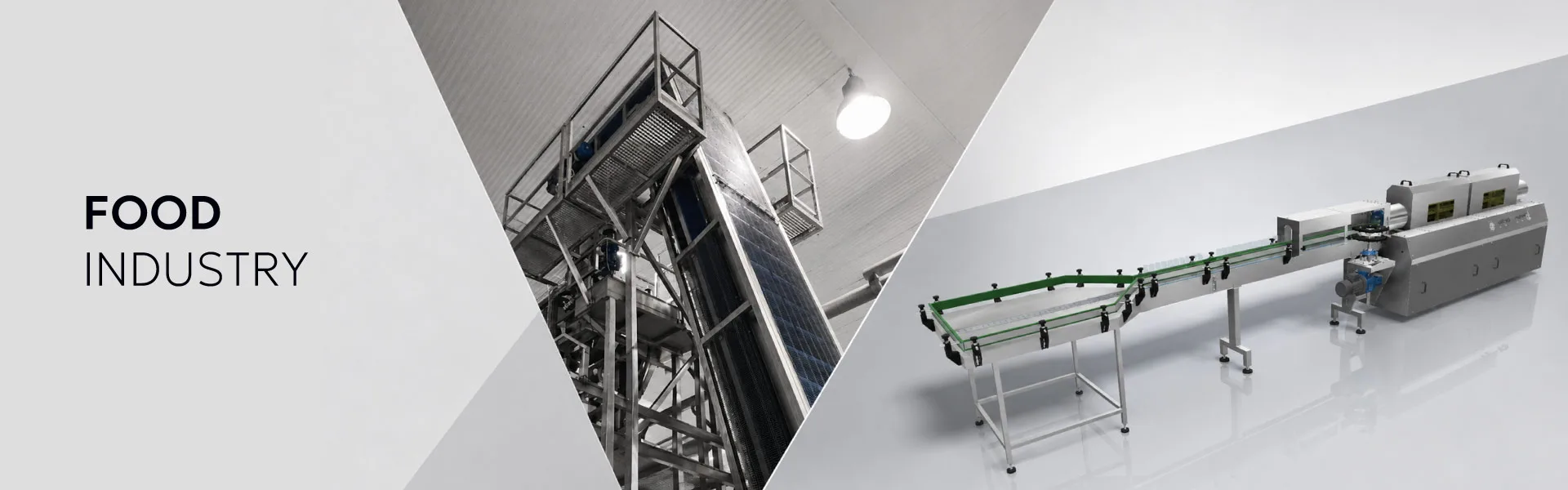
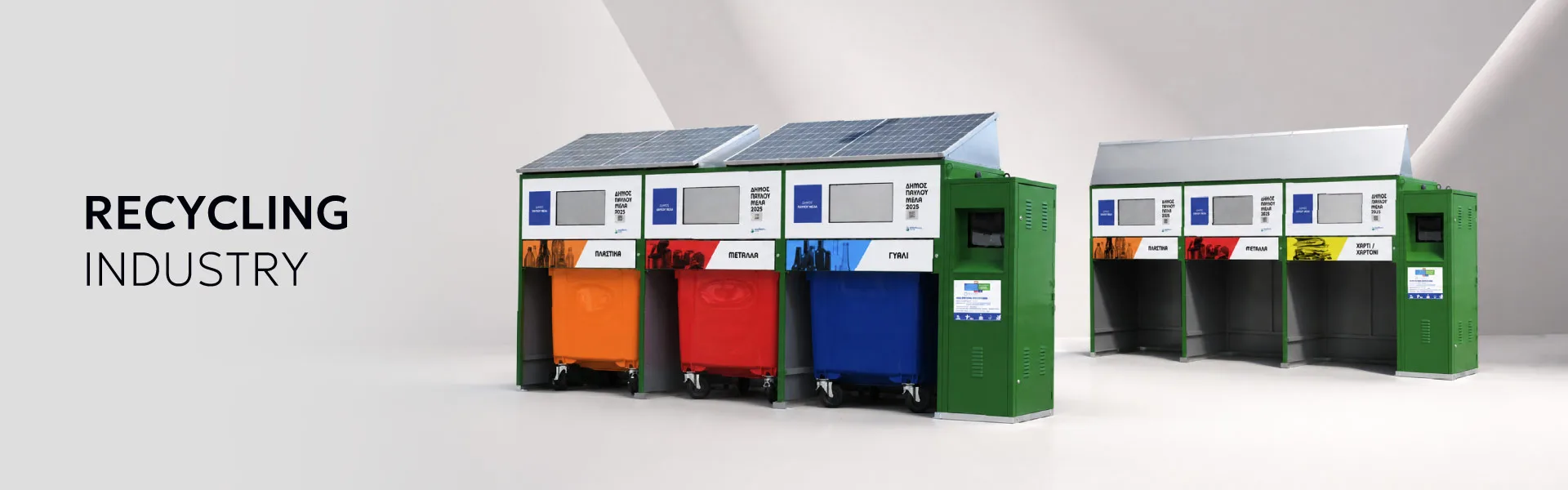
This is particularly important in demanding environments such as the food industry, recycling facilities, or automated parking systems, where even a minor malfunction can cause significant delays.
Even small deviations can serve as valuable warning signs.

Scheduled maintenance and component replacement
Scheduled maintenance includes activities performed at predetermined intervals.
These may involve replacing worn components, adjusting machinery, lubricating moving parts, cleaning equipment, or re-evaluating system performance.
For example, in wood processing equipment, continuous operation naturally causes wear on mechanical components, guides, cutting tools, and conveying systems. Replacing these parts promptly significantly reduces the risk of major damage and costly repairs.
Performance monitoring and failure tracking
Performing maintenance alone is not enough. Continuous monitoring is equally important.
Recording recurring issues, analyzing downtime, and tracking equipment performance help identify patterns and underlying causes.
Why does a particular system fail more frequently?
Which component experiences recurring wear?
The answers to these questions enable more effective maintenance planning and resource allocation.
Rapid technical support and corrective interventions
Even the most effective maintenance program cannot eliminate equipment failures.
That is why response time remains critical.
When issues occur in production lines, automated parking systems, material handling equipment, or heavy industrial machinery, fast diagnostics and corrective actions play a vital role in minimizing operational losses and restoring productivity.
Preventive maintenance in industry: The key to fewer breakdowns
Preventive maintenance is about more than reducing failures.
It is about better organization.
It is about greater reliability.
It is about more efficient production.
In industries such as food processing, recycling, wood manufacturing, and metal fabrication, continuous equipment operation is essential for overall business performance.
And ultimately, that is what matters most.
Not waiting for problems to occur.
But creating the conditions that prevent them from occurring in the first place.
At the same time, effective maintenance is closely linked to the continuous improvement and evolution of industrial equipment. Through research and development (R&D), emerging technologies, and custom industrial projects, companies can upgrade their facilities, optimize production processes, and adapt to the ever-changing demands of the market.
With proper planning, structured maintenance procedures, and specialized technical support, maintenance becomes more than a necessary expense—it becomes a strategic investment in the future of your business.
At Arrowhead Engineers, we design and implement maintenance solutions tailored to the specific requirements of each industrial facility, helping businesses keep their equipment reliable, efficient, and ready to meet daily production demands.
MORE ARTICLES
Custom Engineering: Tailored engineering solutions
Food production lines: Design & Optimization